Regulatory clarity and speed drive decisions
Developers point first to the UAE’s regulatory framework. Compared with India and many other global markets, the UAE offers clearer licensing rules, predictable approval timelines and a well-established escrow and registration system.
Kamal Khetan, Chairman and Managing Director of Sunteck Realty, said Dubai offers an operating environment that allows developers to plan with greater certainty.
“The UAE offers a unique combination of global demand, market speed and regulatory clarity that few cities provide,” he said. For developers focused on large, branded projects, he added, Dubai functions as an effective launchpad with immediate global visibility.
Industry executives say the ability to move quickly from land acquisition to launch is a key differentiator. Faster execution reduces holding costs and allows developers to respond to market demand without long delays.
Wealth migration strengthens demand
The expansion also coincides with a rise in high-net-worth individuals relocating to the UAE. Global wealth migration data shows the UAE attracting close to 10,000 millionaires annually, including a significant number from India.
That concentration of capital supports demand for high-end residential projects and improves sales visibility for developers entering the market.
Khetan said the density of wealth in Dubai aligns closely with the ultra-luxury segment that Indian developers are increasingly targeting. “It is where global capital, architectural ambition and luxury consumption converge,” he said.
Developers note that demand is not limited to local buyers. International investors, family offices and expatriate residents form a broad buyer base that reduces reliance on any single nationality.
Indian buyers remain central to the market
Indian nationals continue to rank among the top foreign property buyers in the UAE, particularly in Dubai. Their long-standing presence has shaped product design, pricing strategies and service expectations across the market.
Executives say Indian buyers are no longer primarily speculative. Many are experienced investors who already hold property in India, the UAE or other global cities.
Khetan said Indian buyers increasingly view Dubai as a base for long-term wealth planning, combining primary residences, second homes and income-generating assets. Trust in the UAE’s governance and legal framework plays a central role in that decision-making.
Celebrity endorsements reflect buyer concentration
The growing use of Indian celebrities in UAE property marketing reflects buyer demographics rather than branding trends, developers say.
Indian celebrities command recognition and credibility among a buyer group that accounts for a significant share of luxury transactions. Their presence helps amplify reach, particularly during launches.
However, developers stress that endorsements do not replace fundamentals. Khetan said sales conversion ultimately depends on product quality, delivery track record and lifestyle offering. Celebrity partnerships may attract attention, but they do not compensate for weak execution.
Casagrand Dubai director Luthfulla K echoed that view, noting that visibility must be backed by reliability. Buyers, he said, place strong emphasis on timely delivery and build quality.
Preferred locations remain consistent
Indian buyers continue to prioritise established locations with strong connectivity, resale potential and brand value.
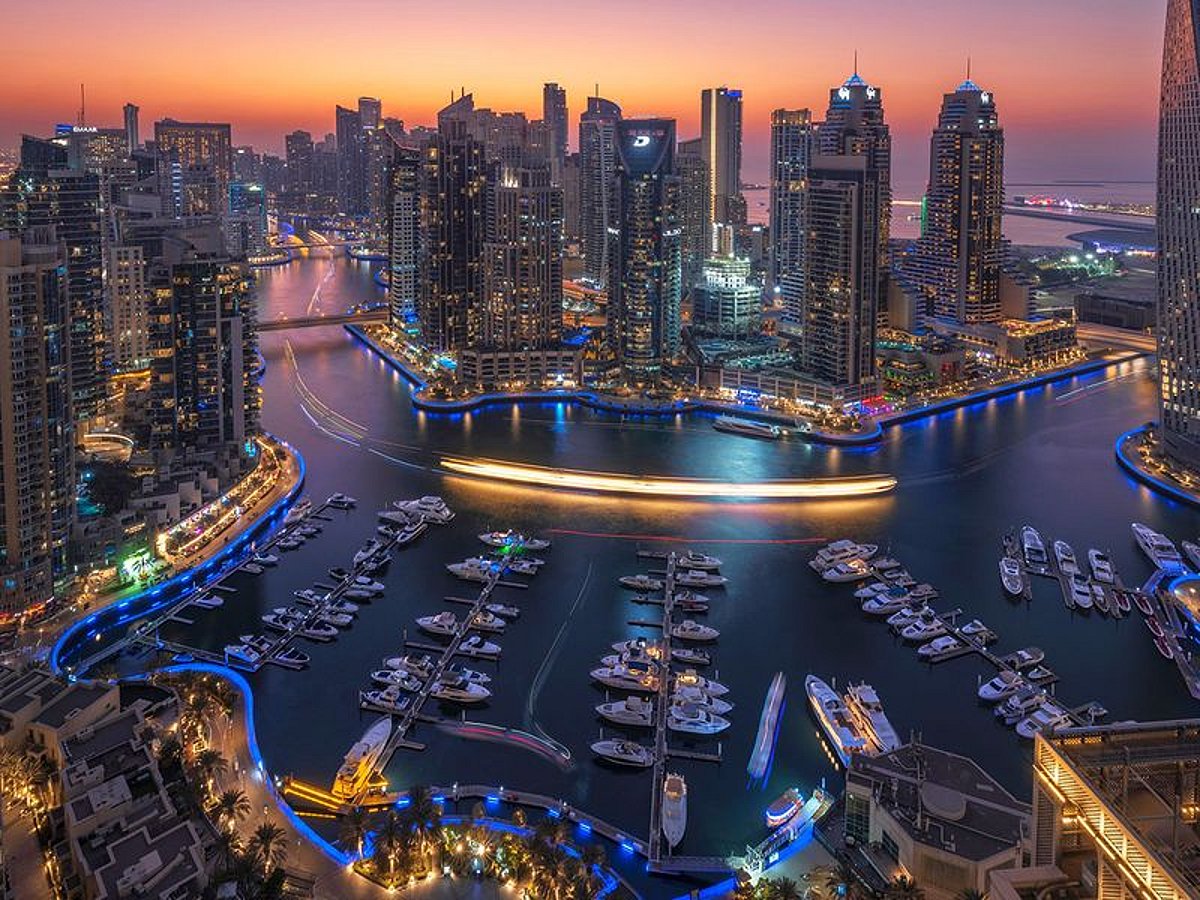
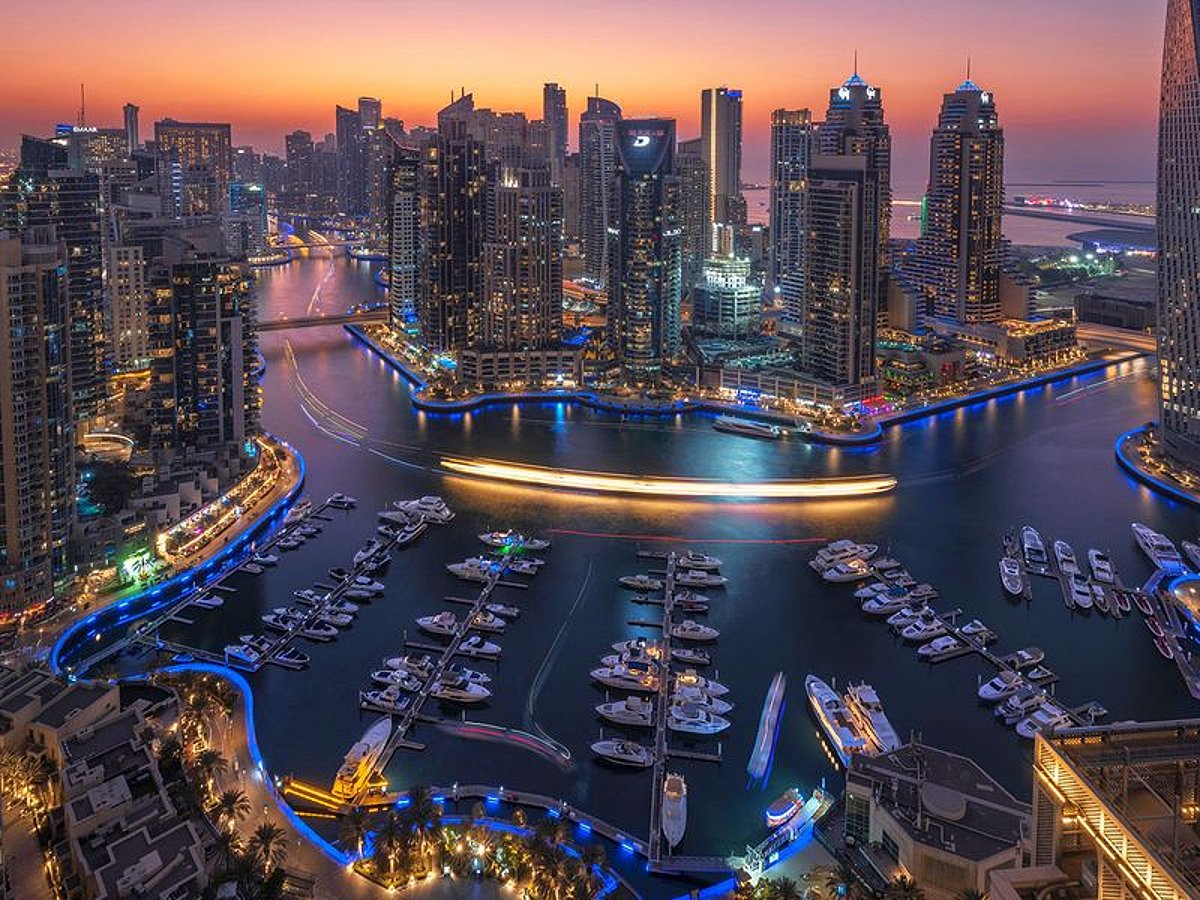
Downtown Dubai remains a key destination for high-net-worth buyers seeking centrality and established infrastructure. Other areas drawing sustained interest include Dubai Marina, Business Bay, Palm Jumeirah and Jumeirah Lake Towers.
Waterfront locations are gaining further traction. Luthfulla said areas such as Palm Jumeirah, Dubai Islands and Al Marjan Island appeal because they combine tourism demand with long-term scarcity.
“Waterfront destinations are always premium,” he said, citing their strategic positioning within Dubai’s growth corridors and strong appreciation potential.
Buyer expectations shift toward end use
Developers report a shift toward end-user purchases, particularly among families relocating to Dubai for long-term living.
While rental yields remain attractive, buyers are increasingly focused on quality of life, access to education, and community planning. Safety, global connectivity and residency stability are key considerations.
Ankit Gupta, Managing Director of Mantra Properties, said buyer preferences have evolved beyond amenity checklists.
“Amenities today are not just additions,” he said. Buyers now seek homes that support daily living, wellness and privacy, rather than purely decorative features.
This has led developers to focus on lower-density layouts, better spatial planning and service-led offerings.
Investors still active, but behaviour has changed
Despite the rise in end-user demand, investor activity remains strong. Prime locations continue to deliver steady rental demand, attracting buyers focused on long-term income rather than short-term flips.
Gupta said many buyers now balance personal use with investment considerations, choosing locations that offer both lifestyle value and rental resilience.
Developers say this mix has contributed to a more stable market, with longer holding periods and reduced speculative volatility compared with earlier cycles.
Will Indian developers dominate the market?
Industry executives caution against viewing the trend in terms of dominance. The UAE remains one of the most competitive real estate markets globally, with developers from multiple regions active across segments.
Luthfullla said success will depend on differentiation rather than origin. “What will stand the test of time is quality, timely delivery and customer satisfaction,” he said.
Khetan added that Indian developers who bring global design sensibilities, disciplined execution and strong governance can secure a lasting presence.
The UAE market, executives agree, rewards consistency and performance. Indian developers are expanding because conditions support scale, but long-term success will be determined by execution rather than nationality.

Nivetha Dayanand is Assistant Business Editor at Gulf News, where she spends her days unpacking money, markets, aviation, and the big shifts shaping life in the Gulf. Before returning to Gulf News, she launched Finance Middle East, complete with a podcast and video series. Her reporting has taken her from breaking spot news to long-form features and high-profile interviews. Nivetha has interviewed Prince Khaled bin Alwaleed Al Saud, Indian ministers Hardeep Singh Puri and N. Chandrababu Naidu, IMF’s Jihad Azour, and a long list of CEOs, regulators, and founders who are reshaping the region’s economy. An Erasmus Mundus journalism alum, Nivetha has shared classrooms and newsrooms with journalists from more than 40 countries, which probably explains her weakness for data, context, and a good follow-up question. When she is away from her keyboard (AFK), you are most likely to find her at the gym with an Eminem playlist, bingeing One Piece, or exploring games on her PS5.