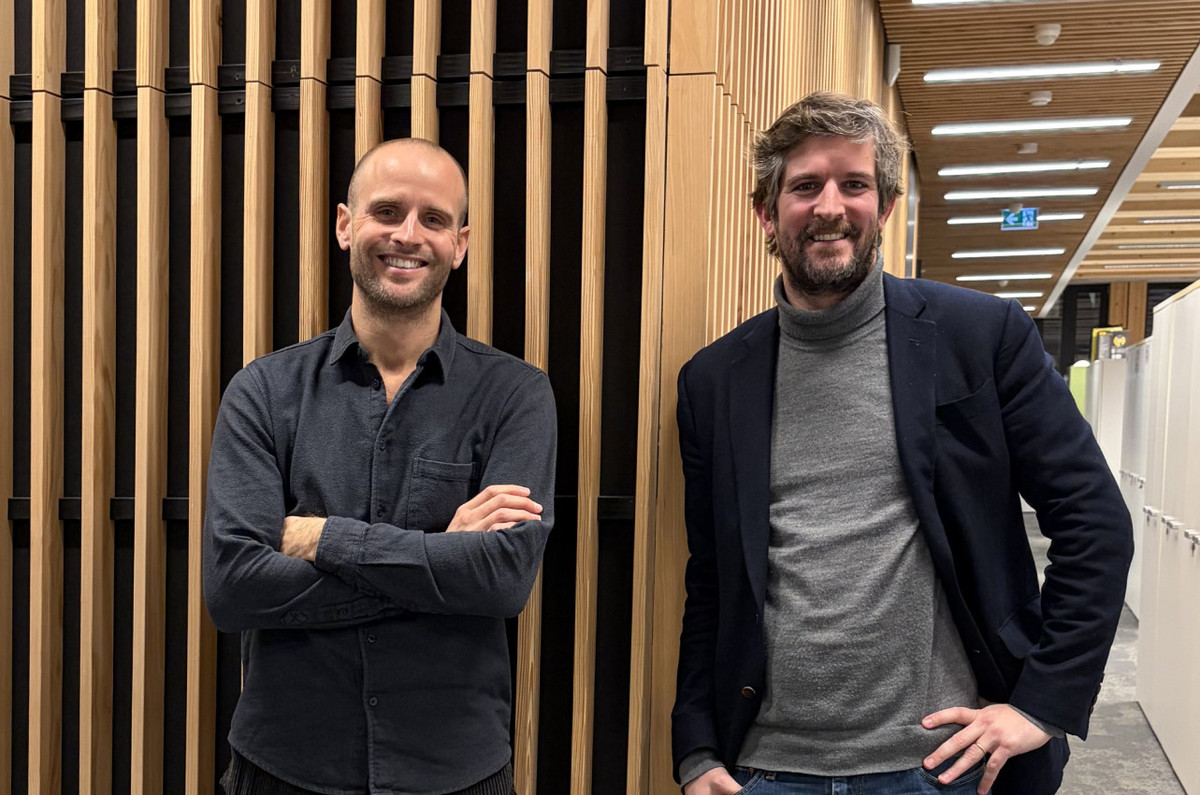
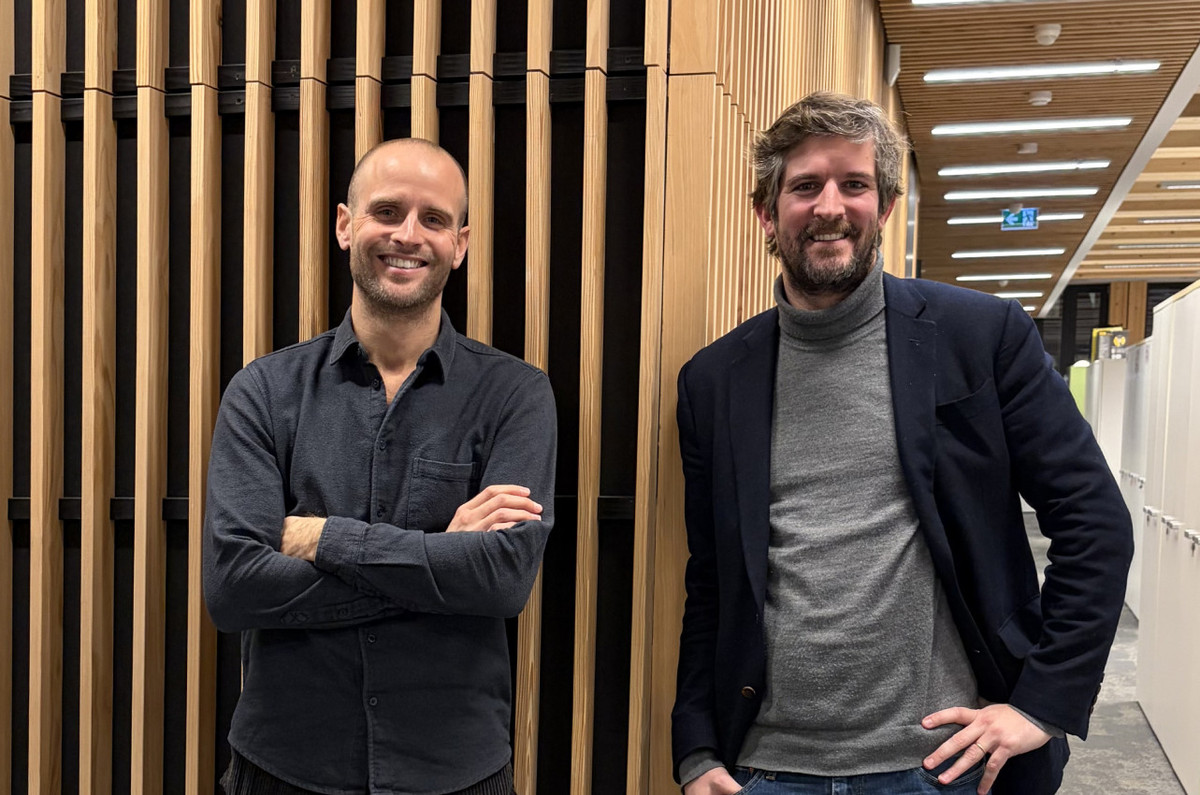
“This year, we are recording just over 1.000 sales in the future state of completion (Vefa) instead of 4,000 before the crisis. While the figure obviously appears very low, it is only the first in a black assessment by , managing director of Compagnie de construction luxembourgeoise (CDCL), a major player in the construction industry, and, above all, chairman of the developers’ section within the Luxembourg Chamber of Real Estate. “And the balance sheet for the last quarter is going to be catastrophic,” agrees the section’s spokesman, , also a partner at Lionstone Capital Management.
“Even with the government measures previously taken and in force until June 2025, we are far from an acceptable annual result. Can you imagine the impact this could have in terms of job losses in the sector? And that’s not even counting temporary workers! And what can we say about the mess of bankruptcies and deregistrations among tradespeople? We’re coming to the sum total of €1.17 billion in losses for these missing 3,000 homes, homes that would be ready to build if we relaunched the Vefa,” insists Max Didier.
“We need quality housing as quickly as possible”
“The activity and yield are clearly no longer there: according to Statec, 5.600 to 7,500 homes a year. That’s a long way off! And that’s despite the fact that the state is distorting the market with its acquisitions. The buy-to-let market absolutely must be revived, first and foremost to stem the loss of the wage bill,” continues Steve Vermeer.
By not building these 3,000 homes, “this is what is lost every year: the tax loss for the state is €170 million in VAT, €44 million in registration fees […] and €37.5 million in margins for developers and builders [are lost]. In addition to all the workforce that we are no longer attracting and which is not accounted for,” insists the CDCL’s managing director.
It’s not first-time buyers who are going to revive the market.
Steve Vermeer, spokesperson, developers’ section of the Chamber of Real Estate
“If it focuses on the Vefa and favours private investors and institutional investors, the government will unblock things. Residents who don’t want to become homeowners should also have a choice, even if it’s true that behind a property there’s an owner who wants to break even… It’s not first-time buyers who are going to revive the market. We also need support that has an impact on investors and legal entities,” explains the section’s spokesperson.
With regard to the government’s goodwill, the two men are in agreement: “We need to give the legislation time to take effect. But what is lacking today is short-term aid. We’re in constant discussion with the government, but we need political courage to solve the problem. If we want 10,000 more residents a year and to house them with dignity, we need quality housing and we need it as soon as possible!”
A federation to promote understanding of the work of developers
“In this context even more than before, we have heard a number of erroneous arguments, starting with a pricing policy that is too high. There is clearly a lack of understanding of our profession and its ins and outs,” Mr Didier says. “It was important for us to communicate this, which is why we decided to create our own federation to highlight and explain all the constraints inherent in our sector. Who knows, for example, that it takes four to seven years to follow up a normal Vefa project, or seven years for a General Development Plan that complies with the law? How many people know that there are communes where the density of land is not adapted to current demand, and that this leads to additional procedures and delays? It should also be pointed out that we have more drastic building standards, which also has an impact on timescales and prices since, while we’re at it and in everyone’s interest, we’d rather build A than B+.”
We think it’s important to have the knowledge and confidence of the individual with regard to the developer and his work.
Max Didier, chairman, developers’ section of the Chamber of Real Estate
“What’s more, with the new law on people with reduced mobility, 5% of the overall surface price of a home (i.e. one home in 20) is ‘lost’, meaning that it cannot be marketed. The public needs to understand this,” Max Didier continues.
“All these constraints result in prices that we consider to be fair and fairly stable, given inflation and standard requirements. But we think it’s important for consumers to know about and have confidence in the developer and his work. We therefore intend to communicate about the constraints (specifications, price transparency, ten-year insurance, completion guarantee, foreseeable time for delivery, etc.), driven by our desire to better represent our sector,” promises the chairman of the developers’ section within the Chamber of Real Estate, who is therefore announcing the creation of the Fédération des développeurs immobiliers. A chamber with which he will continue to collaborate.