ATLANTA, Ga. (Atlanta News First) — Georgia is losing its affordable housing supply at an alarming pace, and housing advocates say a broken property tax system is helping drive the decline.
According to a study by Harvard University’s Joint Center for Housing Studies, Georgia has lost more than 67,000 affordable rental units in just three years — one of the steepest declines in the country.
Developers and housing groups warn that affordable housing communities across the state — from metro Atlanta to rural towns — are being taxed as if they were high-end apartment complexes, making them financially unsustainable and putting thousands of homes at risk.
“We got lucky,” said Meridian resident Tiffany Cherwenka. “A lot of places have really long wait lists.”
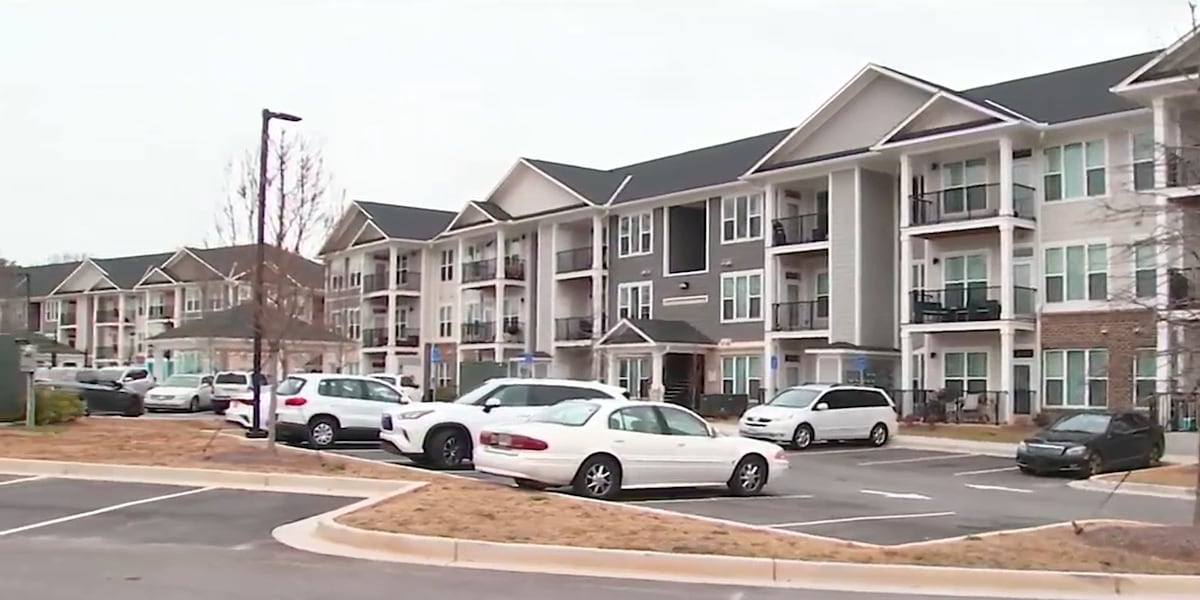
The Meridian is an affordable housing development where rents are capped by law. Cherwenka said she pays about $1,400 a month for a two-bedroom apartment. The price, she said, would be difficult to beat in the current market.
Even with rent limits in place, demand for affordable housing continues to rise while supply shrinks across Georgia.
Developers say rising and inconsistent property taxes are a major factor.
“Our rents are capped,” said Nick Andersen, president of development for Dominium, which builds and operates affordable housing communities. “We’re being taxed like our rents are not capped.”
Most affordable housing in Georgia is financed through the Low-Income Housing Tax Credit program. Developers who use the program agree to keep rents affordable for decades, often 20 to 30 years, in exchange for tax credits that help fund construction.
Because rents are restricted, these properties operate on thin margins. Andersen said in some Georgia counties, property taxes now consume between 25% and 50% of a development’s total revenue.
“At that point, you’re losing money, and you can’t afford to stay open,” Andersen said.
He said the impact extends far beyond housing providers.
“Without affordable housing, employers can’t find employees because there aren’t places people can afford to live,” Andersen said. “This is critical infrastructure.”
Developers warn that if tax burdens continue to rise, new affordable housing projects will stall, investors will pull out, existing communities could close, and families will be left with even fewer options.
Cherwenka said she has already seen signs of strain.
“Even here, we’ve seen evictions lately,” she said. “And this is affordable housing. We definitely need more.”
Ken Blankenship, president of the Georgia Affordable Housing Coalition, said potential solutions could include clearer statewide guidance on how affordable housing properties are assessed or broader reforms to standardize the process across Georgia’s 159 counties.
Atlanta News First reached out to the Georgia Department of Revenue and the Georgia Association of Tax Officials for comment on the concerns raised by developers and housing advocates, but did not receive a response before publication.
Copyright 2026 WANF. All rights reserved.