QuickTake:
The nonprofit Cornerstone Community Housing plans to build Sawyer Station, a 40-unit apartment complex with three buildings around a courtyard, at the corner of 16th and Main streets.
A new affordable housing development in the works in Springfield will be called Sawyer Station as a nod to the city’s lumber heritage.
That’s according to Darcy Phillips, executive director of Cornerstone Community Housing, the local affordable housing developer working on the project. Phillips said Sawyer Station will bring a new vibrant community to Main Street.
“[Sawyers] were the craftsmen who cut and shaped the timber,” Phillips told Lookout Eugene-Springfield. “It was so central to the city’s early growth, and we just felt like that nod really made sense for honoring the legacy and heritage of Springfield.”
The Springfield City Council voted Tuesday, Jan. 20, to transfer a city-owned property at 1566 Main St. to nonprofit Cornerstone Community Housing to develop Sawyer Station. The city purchased the property in 2024 for $540,000 using federal American Rescue Plan Act funds. Under an agreement with Lane County, the funds were to be used to acquire land for affordable housing.
The development will have 40 apartments, 19 one-bedrooms and 21 two-bedrooms. All but one of the units will be reserved for households making up to 60% of the area median income. The remaining apartment will serve a household that makes 50% of the area median income or below, Katie Carroll, who works with the city’s community development team, told the City Council.  Erin Fifield and Katie Carroll with Springfield’s community development team make a presentation about Sawyer Station to the City Council on Jan. 20, 2026. Credit: Lillian Schrock-Clevenger / Lookout Eugene-Springfield
Phillips said the property is close to schools, making it a great location for families. It is also close to public transportation, a grocery store and medical services.
“It just really felt like this location lent itself for a great development,” she said.
Phillips said the development will have three three-story buildings positioned around a courtyard, similar to the Alma Apartments the organization recently built in Springfield.
“What we really like about that kind of typology is the fact that it really opens up the center of the development for community space,” she said.
The courtyard will have a play area for kids, community gardens and an office for resident services. Cornerstone provides supportive services at all of its properties, which include health and wellness programs, educational workshops and community-building activities.
 A rendering of Sawyer Station by Rowell Brokaw Architects. Credit: Courtesy of Cornerstone Community Housing
“When I got on council and we got the money, I was like, ‘Let’s buy land.’ … And this is exactly the dream,” Ward 3 Councilor Kori Rodley said during the meeting. “I love that this is in Ward 3. This was one of those properties we all drove by and were like, ‘I could see something there.’”
The City Council also voted to recommend that Cornerstone Community Housing receive $1.1 million in federal funding for Sawyer Station. The U.S. Department of Housing and Urban Development provides the funding for affordable housing opportunities. A board with representation from Eugene and Springfield will make the final decision to award the money in February.
Phillips said the total development will cost about $15 million. She said the organization plans to request $12 million to $13 million from Oregon Housing and Community Services, with a bank loan making up the remainder of the funding.
She said Springfield’s assistance with the land and $1.1 million in funding will show the state that Cornerstone has local support.
“It means a lot to me, and it really is kind of the foundation of working through one of these deals with the state,” Phillips said.
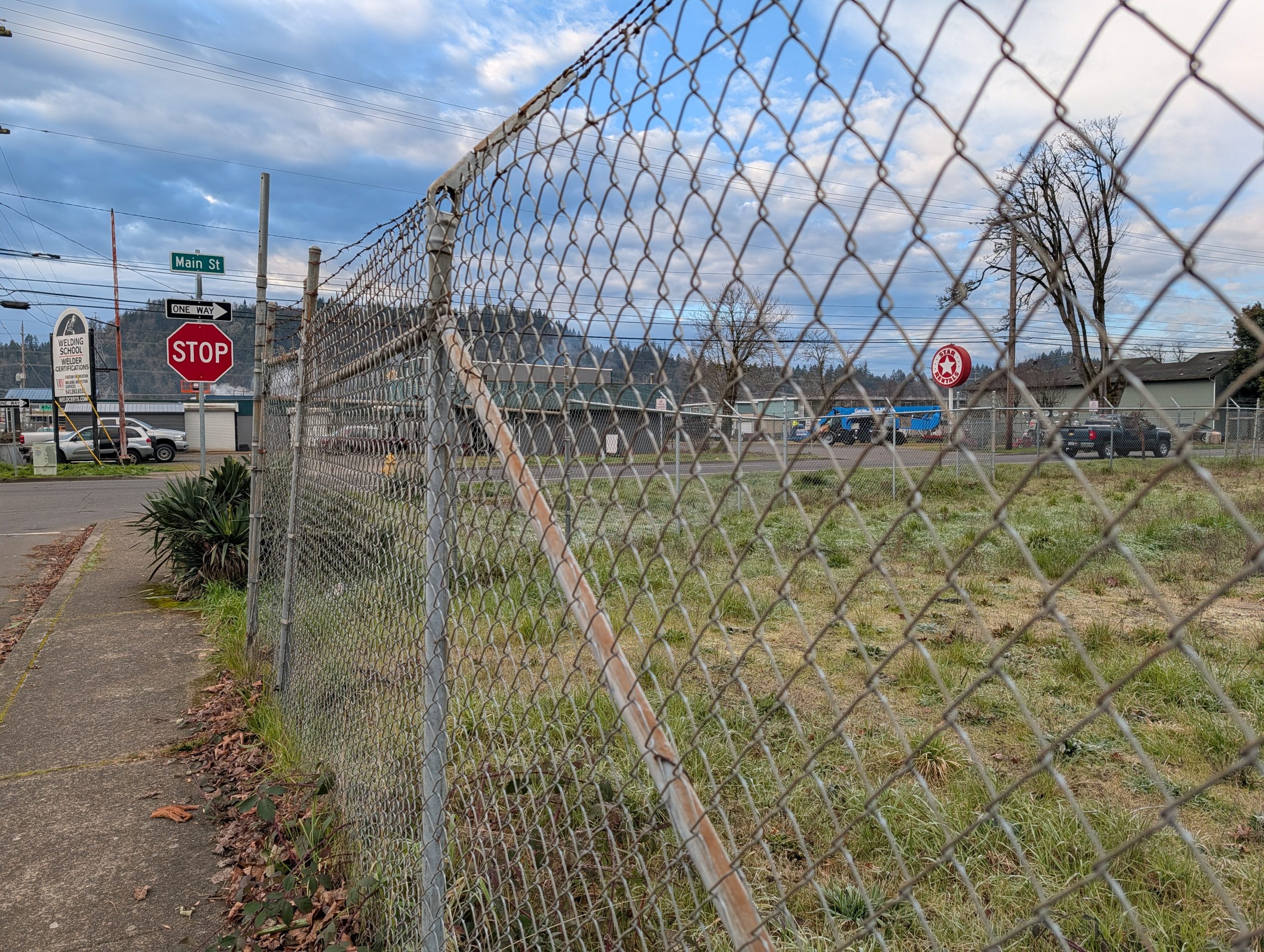
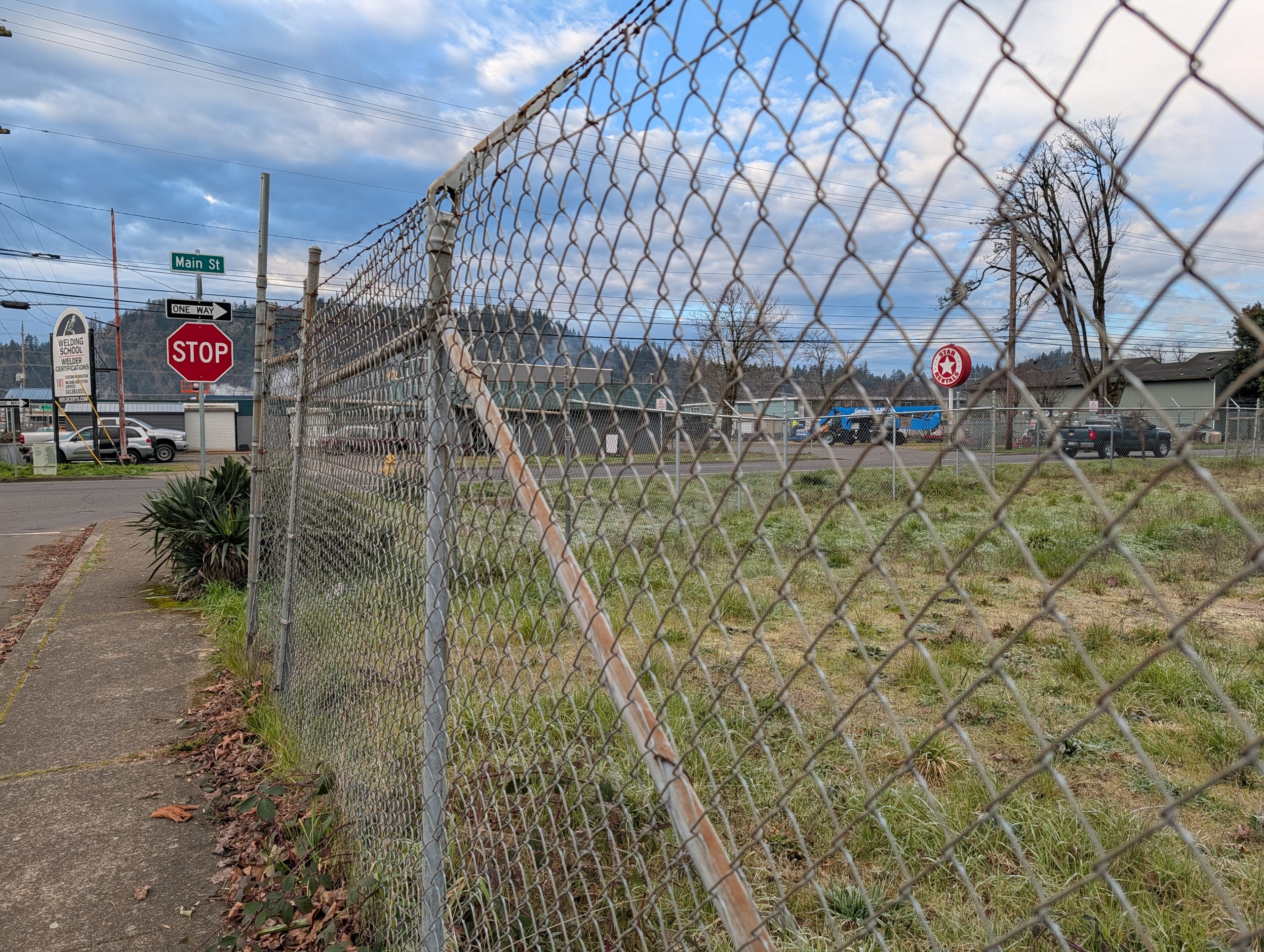
The property is currently a grassy field surrounded by a chain link fence. All of the available funds through the state’s Local Innovation and Fast Track Homeownership Program have been allocated for this year, Phillips said. Cornerstone anticipates receiving those funds in 2027, with construction starting at the end of that year.
The organization is working with local architecture firm Rowell Brokaw on the project.